Tuesday, June 02, 2020

Life as a Game

The following is a MediaNote Classic. It was originally presented to Mass Comm 101 students in June 2018.

Your little brother says, "I can stop anytime I want," as he plays his online game all night and misses school the next day. The World Health Organization (WHO) has officially categorized Gaming Addiction in the International Classification of Diseases. Gaming Addiction has officially been identified as a psychological addiction similar to Compulsive Gambling. NPR reports.

Questions...

•Do you know anyone who might be a video game addict? What do they do that seems so addictive?

•Do smartphones make the problem better, worse, or make no difference?

•What steps would you take to make sure your child is not socially isolated and is engaged with the physical world?

Labels: , , ,

Wednesday, May 20, 2020

Privacy in Public in Europe?

The following is a MediaNote Classic. This MediaNote was originally presented to MC101 classes in Summer 2018.

In general, Europeans protect their personal privacy a bit more than Americans do. The latest example of this is a European Union law that gives people the right to not have their image posted online if they don't want it posted. This means, for example, that if your sister takes a picture of you in front of the former Berlin Wall and posts it on Facebook, a local person identifiable in the background of the photo can demand that it be removed. NPR reports.

Questions...

•What do you think of this law?

•Should photos have free speech protection? Why or why not?

•Could this law have an impact on photojournalism?

•In the US, people who get photographed in public cannot claim a right to privacy. Journalists are free to photograph things that are newsworthy. People whose likeness is used for profit--your face is on a can of soup, for example--can sue if they have not agreed to have their likeness used. What do you think of this?

•In the example above, how can you deal with the EU citizen who doesn't want to be in your tourist photo?

Labels: , , , , , , ,

Wednesday, May 13, 2020

The Not So Friendly Skies

The following is a MediaNote Classic. It was originally presented to MC101 students in May 2017.

United Airlines used to have an advertising campaign with the tagline "Fly the Friendly Skies." They had to retire that line after the beating of a paying passenger in April 2017. Here is the cell phone video of the incident. NPR discussed the public relations fallout.

Questions...

•How should United Airlines have handled the situation with Dr. Dao? What part of it is the worst for the airline's image?

•Is the United brand name damaged beyond repair? If two flights are nearly the same price and time, would you fly United or avoid it?

•Does it matter from a PR standpoint that passenger cell phone video exists?

•What other public relations disasters can you think of where a company's image was badly damaged?

Labels: , , ,

Monday, May 11, 2020

The Psychology of Selling Cars

The following is a MediaNote Classic. The current version of this MediaNote was first shown to MC101 classes in Spring 2018.

Sut Jhally, a nationally-known expert on the psychological effects of advertising, has said that best ads do not try to sell the product on its merits. Instead, it creates a dream life around the product.

Several years ago, Your Humble Blogger saw the following ad during a Dodger telecast. How much of the ad discusses the merits of the vehicle, and how much of it is a constructed dream life?

More recently, another car ad caught Your Humble Blogger's eye.

Questions...

•What does the ad say about the quality, performance, reliability, cost or resale value of the product?

•Describe the dream life created around the product?

•What role do the visuals play in creating this dream life?

•What role does the music play in creating this dream life?

•Who is the target customer of the product?

Labels: , , ,

Wednesday, April 29, 2020

How Hate Spreads

There are probably more ideas floating around our society than ever before. This isn't always a good thing. The Internet has been identified as a prime place where extreme ideas--some of them potentially violent--spread. Adolescent boys are often being targeted for exposure to these ideas. NPR reports.

Questions...

•When was the first time you were confronted with hateful or otherwise dangerous material on the internet? How old were you?

•Have you experienced recommendations that are more and more extreme?

•"Neurodivergent" boys and men with career or relationship setbacks are particularly likely to receive these hate messages. What can they do to keep themselves from going off the deep end? What can we do to help them from doing that?

•Is this a serious problem? What will you do as a parent to make sure your children are not affected by extreme ideas on the Internet?

Labels: , , , , , ,

Tuesday, April 21, 2020

Dead Actors, Live Audiences

The following is a MediaNote Classic. It was originally presented to Mass Comm 101 classes in Spring 2018.

If I want to see Spencer Tracy and Katherine Hepburn in a movie, I find a copy of their 1949 film, Adam's Rib. Soon I may be able to see them in a whole now movie created many years after their deaths. Movie technology has advanced to the degree that not only do we have trouble telling animation from live action. We now have difficulty telling live actors from dead ones. NPR reports.

Questions...

•Is this technology good for the movie business or bad for the movie business? Why?

•What jobs will this technology eliminate? What jobs will it create?

•You are a major Hollywood star. How do you use this technology to fund your retirement? How do you use it to provide income for your heirs?

•Will the audience want to see new movies (or TV shows or video games) with John Wayne and Marilyn Monroe in them? In 50 years will audiences want to see new movies with a young Jennifer Lawrence or Johnny Depp?

Labels: , , , , , ,

Tuesday, March 24, 2020

Did Gillette Cut Itself?

The following is a MediaNote Classic. This MediaNote was originally shown to students in January 2019.

Gillette razor blades have been associated with men and masculinity for as long as this blogger can remember. So--in light of the #Metoo Movement--it makes sense that the Boston-based company has given some thought to how men are portrayed in their ads. The result was this video. NPR reports on the backlash among some men.

Questions...

•What do you think of the message in this video?

•Are you surprised that the video has more dislikes than likes on YouTube? Do you think that means that most men are offended by it?

•Do you think this ad and controversy helps or harms the Gillette brand in the years ahead?

•What type of man should Gillette portray in their ads?

Labels: , , , , ,

Tuesday, March 10, 2020

The Times Are a Changin'

The following is a MediaNote Classic. It was originally presented to MC101 classes in June 2018.

This is a tough time to own a major daily newspaper. The Los Angeles Times--largely due to poor management under its previous owner--has suffered more than most. With a new owner and a new 21st Century newsroom, the Times is ready to reinvent itself. NPR reports.

Questions...

•What should a newspaper do, whether on paper or online? (what is its function)

•What things about a major metro paper (like the Times) should not be changed?

•What things SHOULD be changed?

•What insights might an immigrant to Southern California have that a native might not have?

•How can the Times be more relevant to young adults like you?

Labels: , , , , , ,

Thursday, February 27, 2020

Campaigning at Your Mailbox

Election Day is approaching. In local elections or other elections where voting turnout is expected to be low, direct mail has long been the preferred method of advertising. And if you are not a registered voter, you never see these mailings. Examples will be shown on a PowerPoint in class.

Questions...

•How are these mailers an example of targeted communications?

•Why are these ads effective?

•What are the advantages and disadvantages of slate mailers?

•How might an "atoms to bits" transition take place with this type of political advertising?

Labels: , , , ,

Tuesday, February 25, 2020

Facebook: Friend or Faux?

This is a MediaNote Classic. It was originally presented to MC101 students in June 2014.

It's rare for anyone to post a photo showing how lousy they look today. People don't post long accounts of weekends spent organizing their sock drawer. They don't give you all the details of their cockroach-infested one room apartment or make a video about their rusty old car that breaks down once a month.

People generally reveal idealized versions of themselves on Facebook and other social media. Not surprisingly, real life has a hard time looking as attractive, on a regular basis at least. And what does that do to our sometimes fragile sense of self and well-being? NPR has posted this thought-provoking video.

•In your experience, how true (or not true) is this video?

•In what ways are social media posts a reflection of real life? How are they a reflection of a fantasy life?

•Can social media posts be competitive? How?

•Do "likes" train people to make crowd-pleasing posts? Are "like" buttons turning us into trained seals?

•Does social media make people more satisfied or less satisfied with their lives?

Labels: , , , ,

Wednesday, February 19, 2020

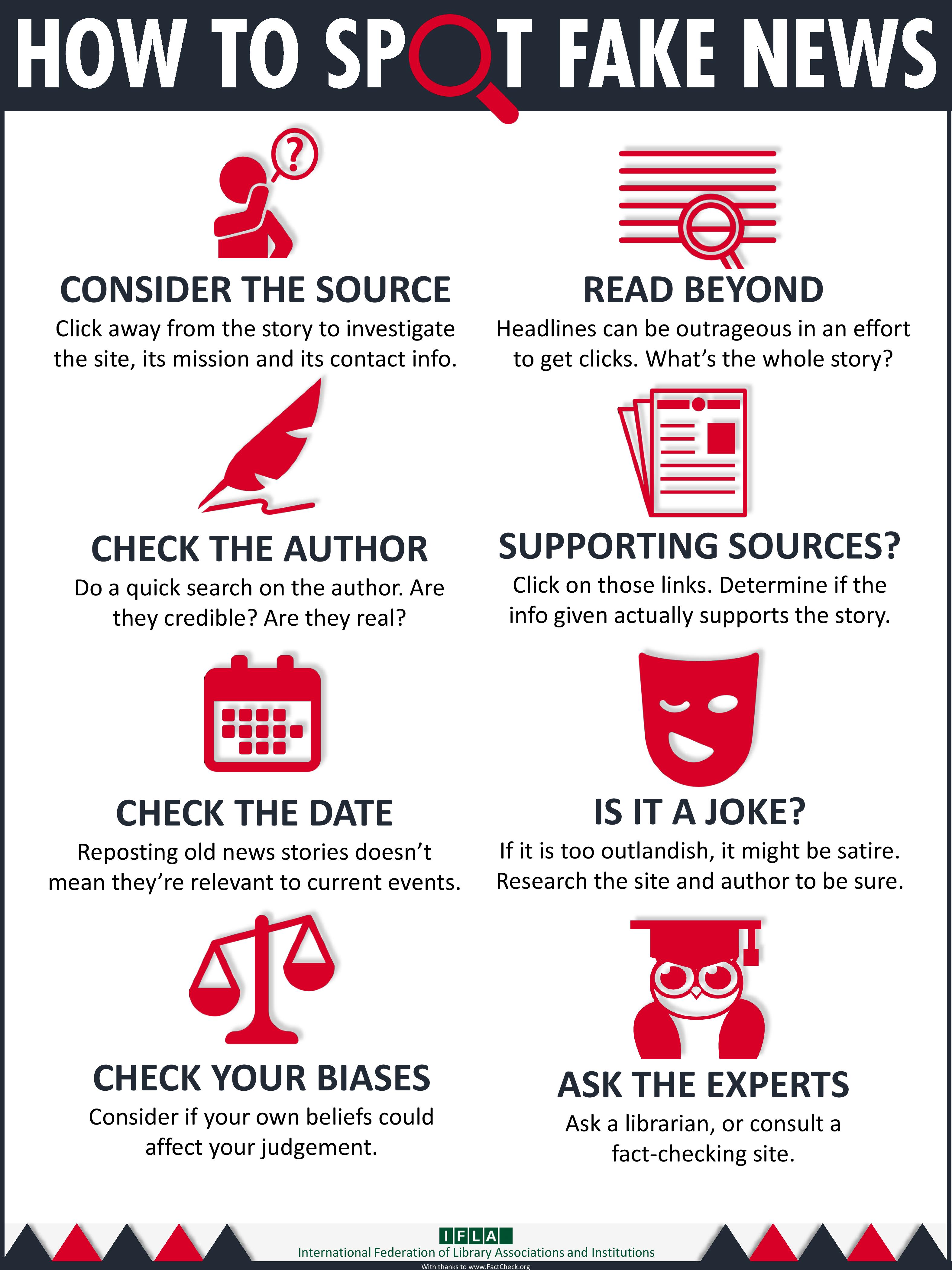
Fake News (Thank Goodness!)

This is a MediaNote Classic. It was originally presented to MC101 students in January 2019.

On the night of Feb. 25, 1942, the Los Angeles Area was under attack from enemy aircraft. Or was it? A little more than 10 weeks after the bombing of Pearl Harbor, and several days after a Japanese submarine shelled an oil field just north of Santa Barbara, an unidentified object floated over Los Angeles. Citizens panicked. Civil defense mobilized. Anti-aircraft guns were fired. And CBS radio reported on a possible attack. In the years since, it has become clear that if there was anything in the skies over Los Angeles that night, it was perhaps an errant weather balloon or small blimp.

Questions...

•How well or badly did CBS radio do in reporting this story?

•Why did radio news have a more difficult time covering this story accurately than the newspapers?

•Would today's social media make sure the story was reported accurately, or would it have added to the hysteria?

Labels: , , , , ,

Tuesday, January 14, 2020

Reading Past the Cover

The following is a MediaNote Classic. It was originally presented to MC101 students in January 2019.

Your Humble Blogger has observed that there are people who develop a strong attachment to newspapers or radio shows, but there are people who truly love books. The proudly display them in their homes and keep some of them until the day they die. So what is it about books? Our conversation will start with this NPR story.

Questions...

•Why do some people develop an emotional attachment to books?

•Why does this old, low-tech medium endure in this era of digital, visual, audio media?

•Is there anything that books do better than other mass media?

•Does a book lose anything when it moves to a digital format?

Labels: , , , ,

Wednesday, December 04, 2019

Screens Great and Small

The following is a MediaNote Classic. It was originally presented to MC101 students in October 2017.

Academic researchers have done a tremendous amount of research over the potential damage that can be done to children if they are allowed to watch too much television. But what about children (8 or younger) who spend a lot a time online? NPR reports.

Questions...

•Which do you feel is worse: letting small children watch a lot of TV, or spend a lot of time online? Does anyone want to make the case that a lot of screen time is beneficial to small children?

•Which is more addicting: TV or the Internet? Why?

•Which is a better teacher: TV or the Internet? Why?

•Under what conditions would you allow an 8-year-old go online?

Labels: , , , , , ,

Tuesday, December 03, 2019

Making the Call

The following is a MediaNote Classic. It was originally presented to MC101 classes in May 2019.

Is a social media platform more like a publisher (Time Magazine, Washington Post) or is it more like the phone company? The difference is that publishers are responsible for what they put in their newspaper while the phone company is a common carrier that is not expected to listen in n phone calls. As a result, if a murder is discussed over the phone, legal scholars generally agree that the phone company is not an accessory to the crime.

Recently, Facebook removed some high-profile political extremists. What are the implications of this? NPR reports.

Questions...

•Legally speaking, do you think Facebook is more like a publisher or more like the phone company? Why?

•Does the First Amendment right to freedom of speech give controversial figures a right to access to Facebook or any other online platform?

•Should Facebook or any other online platform be held legally responsible for violent acts that are originally discussed or planned on their platforms?

•How should Facebook and other social media platforms handle speakers and messages that are deemed dangerous in other countries?

Labels: , , , , , ,

Monday, December 02, 2019

Get Real

The following is a MediaNote Classic. It was originally presented to MC101 students in November 2018.

In Fall 2019, this MediaNote was presented only to MW classes.

Apparently, Italian youth have some of the same problems telling the difference between factual news reports and fiction that American students have. So the Italian government (public education is more centralized there) has added How to Spot Fake News to the curriculum. NPR reports.

Questions...

•Should government offer training in how to spot fake news?

•Should school districts like Los Angeles and Glendale Unified (or GCC) offer training in how to spot fake news?

•Should social media companies do something about fake news? What should they do?

Labels: , , , , , ,

Monday, November 25, 2019

Your Cellphone: Not a Stoolie

The following is a MediaNote Classic. It was originally presented to MC101 classes in June 2018.

A "Stoolie" (AKA "Stool Pigeon") is archaic American slang for a police informant. In the 1940's movie version, the cops arrest a petty thief and threaten to charge him with something serious unless he tells all he knows about the murder that police are trying to solve. The petty thief cooperates. That's a stoolie.

According to a 5-4 U.S. Supreme Court decision last week, your cellphone (under most circumstances) will not act as a stoolie. Police will have to obtain a search warrant from a judge before they can search a cellphone. NPR reports.

Questions...

•How much does your cellphone know about you? What does it know about you?

•What do you think about this ruling? Why?

•Police do not need a search warrant to search your car or a homeless person's tent. They DO need a search warrant to search your home or your cellphone? What's the difference?

•Could someone explain the differences between Libertarians (usually conservative) and traditional conservatives? How does that apply to this ruling?

Labels: , , , ,

Friday, October 25, 2019

Coming Up Next ... Watching Paint Dry!

The following is a Medianote Classic. It was first presented on Nov. 25, 2013.

Norwegian TV is apparently quite different. We have TV shows about cops, robbers, teenage sexpots and vampires. They have TV shows about knitting. Are they just desperate for shows, or are they redefining the idea of what a TV show is? NPR reports.

Questions...

•How often do you give TV your undivided (or nearly undivided) attention?

•When is watching TV a stimulating activity?

•When is watching TV a soothing activity?

•When does TV let you experience something?

•In the future, when there are an unlimited number of channels, will television be a companion medium, like radio?

Labels: , , , , , ,

Wednesday, October 23, 2019

Apparently, The Force Was With Us

The following is a MediaNote Classic. It was originally presented to MC101 students in January 2017.

One of the things that makes a great city a great city is that it has cool things that practically everyone can enjoy. That said, Los Angeles bagged another cool thing recently as it was named the site of The Lucas Museum of Narrative Art. The museum, which will be underwritten by Star Wars Creator George Lucas and his wife, will focus on storytelling through pictures, from cave paintings to present. It will be in Exposition Park, near the Coliseum and USC. It is expected to open in 3-4 years. KCBS News reports.

Questions...

•Name all the ways that we tell stories through pictures.

•What pictures can you think of that evoke an emotion or feeling?

•How do you use pictures to tell stories in your life?

•What academic departments at USC could benefit from having this museum nearby? How?

•Is this museum good for Los Angeles? How?

Labels: , , , , ,

Thursday, September 19, 2019

Here's the Pitch...

The following is a MediaNote Classic. It was originally presented to MC101 classes in January 2017.

Your Aunt Mabel is holding a Tupperware Party. Friends, neighbors and relatives will assemble in the living room, relax over a bit of food and drink, and hopefully buy some Tupperware. It's a sales job, but it is also from someone you know. So you go and you buy.

The online version of this is the "Influencer." Influencers may post about a way of life or a product, but they're trying to sell you something. And tech-savvy young adults are more likely than most to be Influencers. NPR reports.

Questions...

•How do Influencers fit in with Paul Lazerfeld's 1940 People's Choice Study?

•According to the Indirect Effects Model, will the effects of an Influencer's message be predictable and uniform across the population seeing or hearing the message?

•Under the Transmission Model (SMCR), name the Sender, Message, Channel, and Receiver for the student Influencer in the story?

•In your estimation, are Influencers a passing fad, or are they here to stay? Why?

Labels: , , , , , , , ,

Tuesday, May 14, 2019

When Speech Isn't Really Speech

The following is a MediaNote Classic. It was originally presented to MC101 classes in May 2016.

Freedom of Speech is a huge idea expressed very briefly in the First Amendment. So it is up to courts to decide what Freedom of Speech means, especially as it relates to technologies The Founders couldn't have imagined. Computer code, for example. NPR reports.

Questions...

•Name some things that aren't really speech, but they are sort of similar to speech?

•When does government force you to say or pass along messages you'd rather not say or pass along.

•What would be the impact if government could force software developers to put in code they don't want to put in?

•Political money has considerable free speech protection. What problems does that cause for the political system?

Labels: , , , ,